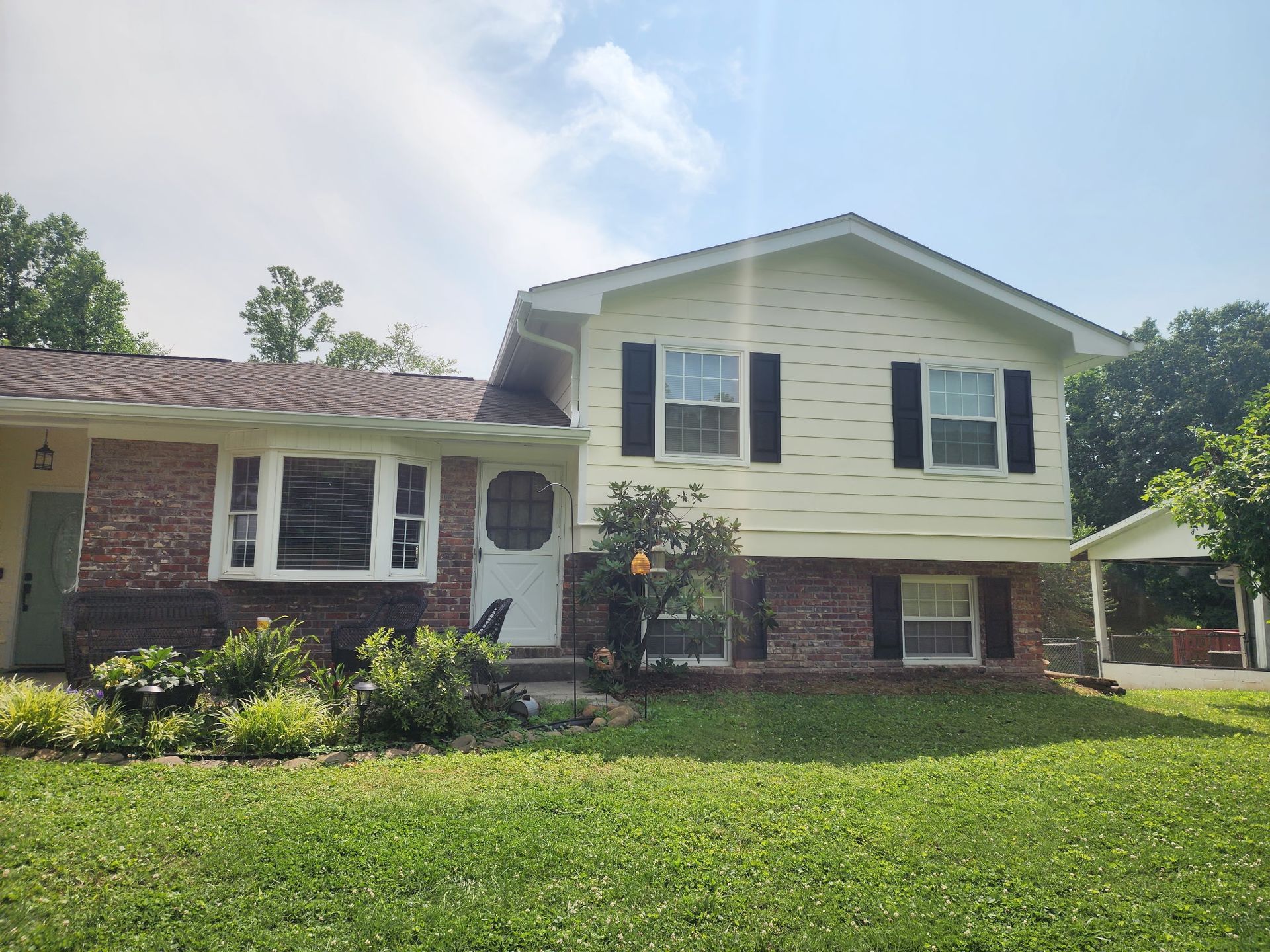

Windows Sealed Against Mountain Humidity
Window Installation in Powell for homes and buildings facing seasonal air leaks and moisture intrusion
The Smoky Mountains foothills create elevation changes and humidity patterns that cause improperly flashed windows to develop condensation failure and air leaks within the first heating season. Heritage Painting installs energy-efficient windows throughout Powell, Knoxville, Farragut, and surrounding areas with flashing systems and foam sealing designed specifically for East Tennessee's four-season temperature swings and moisture exposure. You need window installation when drafts are noticeable around existing frames, condensation forms between panes, or energy bills increase due to heat loss during Knoxville's cold months.
The installation process involves permit coordination with Knox County authorities, rough opening preparation to ensure the frame sits level and square, flashing installation at all edges to direct water away from interior walls, and foam sealing combined with exterior caulking to create an air-tight envelope. This approach prevents the moisture intrusion common in foothills installations where humid air infiltrates around window perimeters and condenses inside wall cavities during temperature drops.
Arrange an on-site consultation to review rough opening dimensions and flashing requirements for your specific installation.
How Proper Flashing Prevents Long-Term Moisture Damage
Window installations in Powell require flashing applied in layers around the rough opening before the window unit is set, starting with sill flashing that directs water outward and continuing with jamb and head flashing that overlaps like shingles to prevent water from running behind the frame during rainstorms. Once the window is positioned and leveled, foam sealant fills gaps between the frame and rough opening to block air infiltration, and exterior caulking seals the final seam where siding or trim meets the window casing.
After installation completes, you notice that drafts no longer occur around window edges even during high winds, condensation stops forming on glass during temperature swings between day and night, and interior temperatures remain stable without cold spots near window areas. The flashing system ensures that rainwater running down exterior walls is directed away from the window frame rather than seeping into the rough opening where it would saturate insulation and cause mold growth over time.
Energy-efficient windows rated for East Tennessee weather include low-E coatings and insulated glass that reduce heat transfer, but those features only perform as intended when flashing and sealing eliminate air leaks around the frame itself.
Common Questions About Window Installation
Window replacement projects in Powell and neighboring communities depend on rough opening condition, flashing requirements, and permit coordination, but the sealing process remains critical for every installation exposed to seasonal humidity.
What permits are required for window installation in Knox County?
Residential window replacement typically requires a building permit when the rough opening size changes or structural framing is modified, though simple window unit replacement in existing openings may not require permits depending on local code interpretation.
How does flashing prevent water damage around new windows?
Flashing installed in overlapping layers directs rainwater outward and downward away from the rough opening, preventing water from running behind the window frame where it would saturate wall cavities and cause rot in wooden framing members.
Why do windows develop condensation between panes after a few years?
Seal failure in insulated glass units allows humid air to enter the space between panes, and when temperatures drop, that moisture condenses on the interior glass surface where it cannot be wiped away.
When is the best time to install windows in the Knoxville area?
Fall and spring installations avoid the temperature extremes of summer and winter, which allows sealants and caulking to cure properly without accelerated drying or delayed setup times caused by heat or cold.
What window ratings matter most for East Tennessee weather conditions?
U-factor ratings below 0.30 reduce heat loss during winter months, and low-E coatings reflect summer heat while allowing visible light transmission, both of which improve energy efficiency in the four-season climate typical of Powell and surrounding areas.
Heritage Painting coordinates permits and manages flashing installation for window projects designed to handle temperature swings without drafts or condensation failure. Schedule an evaluation to determine rough opening preparation needs and flashing specifications.