
Water-Resistant Surfaces for High-Traffic Spaces
Vinyl Flooring Installation in Powell for moisture-prone areas and variable humidity performance
Moisture-prone older Knoxville area neighborhoods and properties with humidity challenges favor vinyl flooring for its water resistance and dimensional stability compared to wood or laminate alternatives. Vinyl doesn't swell when exposed to spills, leaks, or seasonal moisture fluctuations, making it practical for basements, kitchens, bathrooms, and commercial spaces where other materials fail within years. Heritage Painting installs vinyl flooring with underlayment selected for uneven subfloors, seam sealing that creates a continuous moisture barrier, and acclimation protocols adjusted for Tennessee Valley humidity variation.
The installation process addresses subfloor irregularities that would telegraph through thin vinyl and create visible wear patterns or cracking. Underlayment smooths minor dips and rises while adding cushion and sound dampening. Seams are heat-welded or chemically bonded depending on product type, eliminating the gaps where water infiltrates and adhesive fails. Material acclimation prevents expansion or contraction after installation that causes edges to lift or buckle.
Arrange an on-site consultation to evaluate subfloor conditions and determine the underlayment approach your installation requires.
What Vinyl Flooring Actually Accomplishes
Underlayment selection depends on the severity of subfloor imperfections and the acoustic or comfort requirements of the space. Self-leveling compounds fill low spots and smooth rough concrete, while cushioned underlayment adds resilience over wood subfloors. Seam sealing creates a watertight bond between planks or tiles, preventing moisture from reaching the adhesive layer or substrate where it causes delamination and odor.
Once installation is complete, the floor remains flat and uniform without the edge curling or peaking at seams that indicates moisture infiltration or improper acclimation. Water from spills or cleaning stays on the surface and wipes away without staining or causing swelling. High-traffic areas maintain appearance without showing the wear-through or delamination that occurs when adhesive fails or surface coatings are inadequate for commercial or household use.
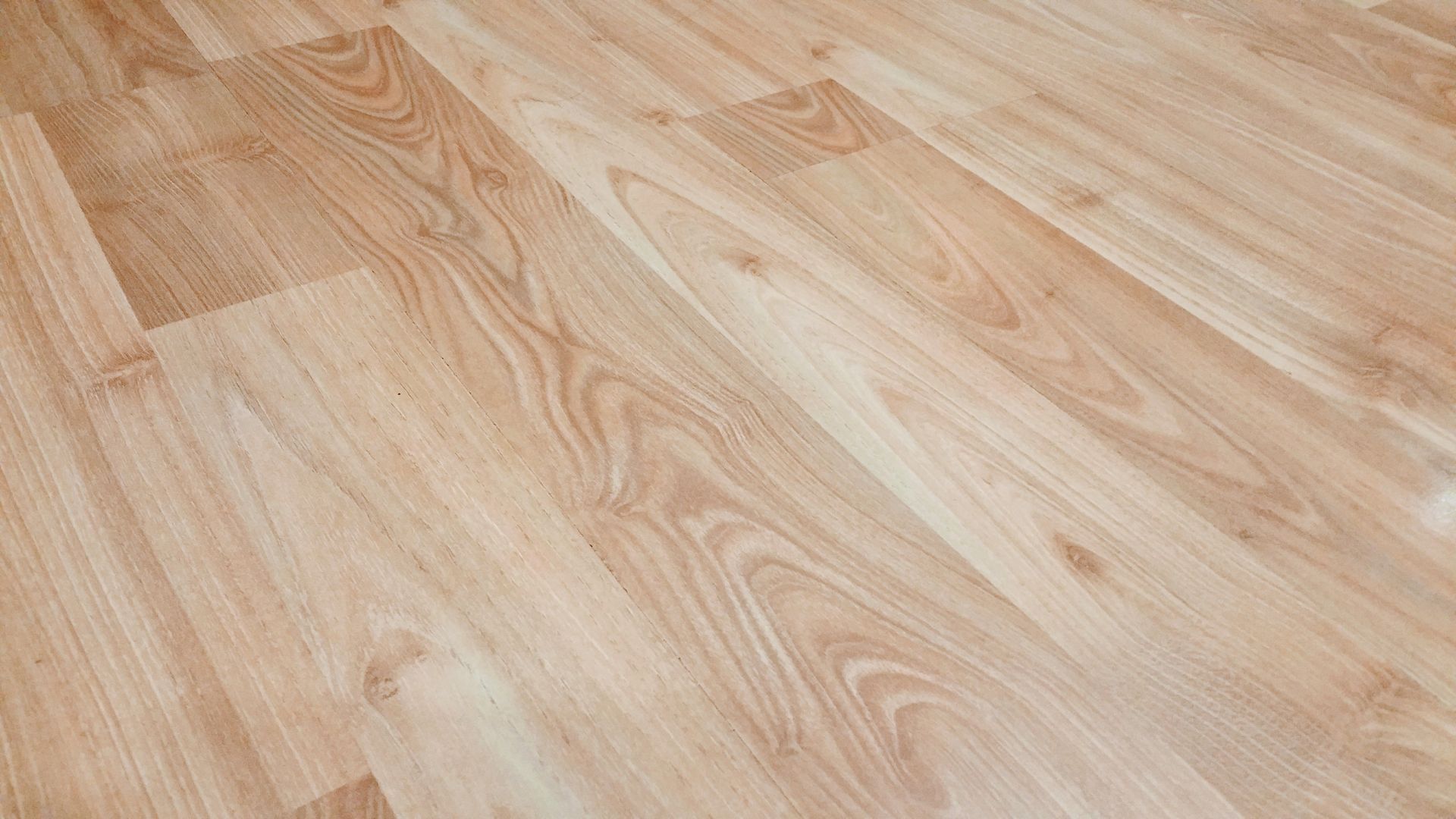
Vinyl flooring performs across the humidity range properties in Knoxville, Powell, Kodak, and surrounding areas experience without the seasonal movement that affects wood products. The material remains stable whether interior humidity drops during winter heating or rises during summer cooling cycles. Pattern and color options range from realistic wood and stone visuals to solid colors, with wear layer thickness determining how long the surface resists scuffs, scratches, and fading in high-traffic or sun-exposed locations.
What Property Owners Usually Ask
Vinyl flooring installation involves subfloor preparation, seam integrity, and product selection questions that affect durability and moisture performance.
Why does underlayment matter for vinyl installed over concrete?
Concrete subfloors are rarely perfectly level and often have minor surface imperfections that create pressure points beneath vinyl. These high spots wear through the material prematurely from below, while low spots allow flexing that fatigues and cracks the flooring. Underlayment distributes pressure evenly and extends service life significantly in basement and ground-floor installations common in Knoxville.
How are seams sealed to prevent moisture infiltration?
Heat welding melts the edges of adjacent vinyl planks or sheets together, creating a continuous waterproof surface with no gaps. Chemical seam sealers bond click-lock products at joints, though these are less durable than heat-welded seams in areas with frequent water exposure like bathrooms or commercial kitchens.
What acclimation is required for vinyl in variable humidity?
Vinyl must reach room temperature before installation to prevent expansion or contraction after it's adhered or locked in place. Material stored in cold trucks or warehouses contracts, then expands once it warms inside your home, causing buckling or gaps at walls if installed immediately. Acclimation periods range from twenty-four to seventy-two hours depending on product type and temperature differential.
When does vinyl outperform laminate in Powell homes?
Vinyl resists water damage that destroys laminate within hours of exposure, making it the better choice for moisture-prone basements, bathrooms, laundry rooms, and kitchens. Older homes with foundation moisture issues or properties in humid foothills locations see far longer service life from vinyl compared to laminate products that swell and delaminate when humidity penetrates core materials.
How does wear layer thickness affect vinyl longevity?
Wear layer thickness, measured in mils, determines how long the surface resists abrasion from foot traffic, furniture movement, and cleaning. Residential vinyl typically uses twelve to twenty-mil wear layers, while commercial installations require twenty to forty mils to survive the traffic volume and cleaning frequency that businesses and rental properties experience in high-use areas.
Heritage Painting installs vinyl flooring with subfloor preparation, seam sealing, and humidity-appropriate acclimation for residential and commercial properties throughout Knox County and neighboring communities. Schedule a flooring assessment to review your subfloor condition, moisture concerns, and traffic requirements for material selection and installation planning.