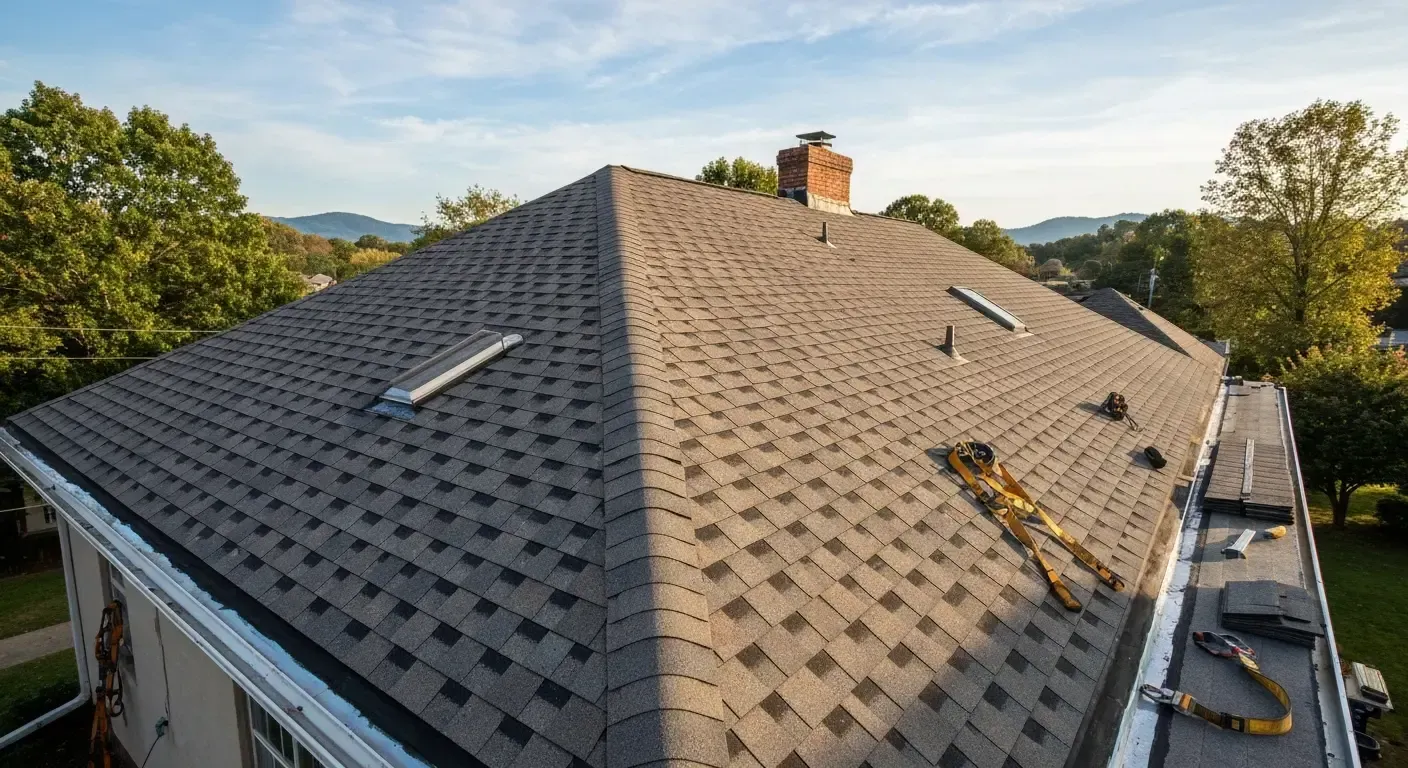

Roof Systems Engineered for Mountain Weather
Roofing Services in Powell for steep-pitch homes facing snow load and ice-dam conditions
Roofing in Knoxville, Maryville, Farragut, or a surrounding area contends with snow-load engineering requirements, ice-dam formation, and freeze-thaw cycles that exceed flatland roofing standards. Heritage Painting provides roofing installation and repair for properties where building codes mandate pitch-specific fastening, ventilation system integration, and flashing details that prevent the failures common when standard roofing methods meet mountain conditions. Steep pitch challenges increase labor complexity and require fall protection systems that slow installation but ensure crew safety on slopes exceeding six-in-twelve.
Roofing installation addresses homes where ice dams form along eaves during winter freezes, where inadequate ventilation traps heat and accelerates shingle aging, and where valley flashing failures allow water intrusion during the heavy rain events typical in East Tennessee. Pitch-specific fastening increases wind resistance, ice-dam prevention measures include underlayment systems that seal even when ice backs water upslope, and ventilation integration balances intake and exhaust to prevent moisture buildup in attic spaces.
Arrange a roof assessment to evaluate pitch requirements, ventilation adequacy, and ice-dam risk for your home.
How Mountain Roofing Addresses Altitude Conditions
Installation begins with pitch-specific fastening patterns that increase shingle attachment density on steep slopes where gravity and wind uplift combine to test standard nailing schedules. Ice-dam prevention underlayment extends at least six feet beyond exterior walls, creating a watertight barrier when ice blocks gutter drainage and forces meltwater upslope beneath shingles. Ventilation system integration calculates intake and exhaust ratios based on attic volume and roof pitch, preventing the heat buildup that melts snow unevenly and creates ice-dam conditions. Flashing and valley detail work uses wider metal profiles and additional sealant layers to handle the water volume typical during mountain thunderstorms.
Once installation completes, you see rooflines that shed snow without ice-dam ridges forming along eaves, attic temperatures that match outdoor conditions rather than trapping heat, and valleys that channel heavy rain without leakage at seams. Mountain home roofing experience means recognizing which shingle weights withstand high-altitude wind exposure and which ventilation configurations work on complex rooflines with multiple gables and dormers.
Roofing services include tear-off and disposal of existing materials, deck inspection and repair before new installation, and compliance with high-altitude building codes that govern fastening schedules and underlayment requirements. Projects sometimes reveal deck rot or structural inadequacies uncovered during tear-off, requiring repairs that weren't visible from ground-level inspection but must be addressed before roofing proceeds.
Answers to Frequent Service Questions
Property owners typically raise these concerns during project planning:
How does snow-load engineering affect roofing installation?
Snow-load calculations determine fastening density, shingle weight requirements, and deck reinforcement needs based on expected snow accumulation, preventing structural failure when heavy wet snow sits on roofs for extended periods.
When do steep-pitch roofs require additional safety measures?
Pitches exceeding six-in-twelve require fall protection anchors, roof jacks, and harness systems that slow installation but prevent injuries on slopes where footing becomes unstable, particularly during morning dew or afternoon heat.
What does ventilation system integration include?
Integration calculates soffit intake area and ridge exhaust capacity, installs baffles to maintain airflow paths between insulation and deck, and verifies balanced ventilation that prevents both heat buildup and moisture condensation in attic spaces.
How long does roofing installation take on homes in the Knoxville area?
Installation duration depends on roof complexity, pitch steepness, and weather windows, but most residential projects require three to five days from tear-off through final cleanup, with delays possible if freeze-thaw cycles or thunderstorms interrupt work.
Heritage Painting installs roofing systems across Knox County and surrounding areas with high-altitude building code knowledge and ice-dam prevention expertise. Call us to discuss pitch evaluation, ventilation requirements, and installation scheduling for your home.